
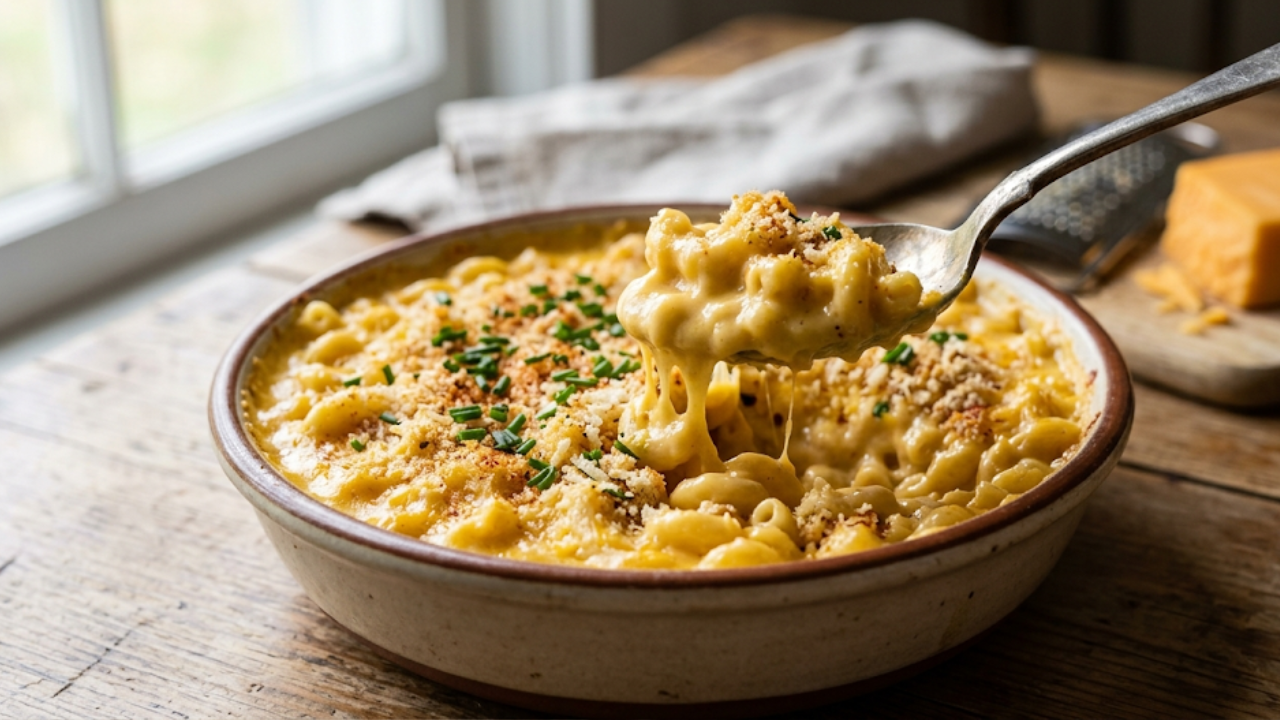
Mac and cheese sauce is the heart of every great macaroni and cheese recipe. A smooth, creamy, and rich cheese sauce makes the difference between ordinary pasta and true comfort food. When prepared correctly, the sauce should be silky, flavorful, and thick enough to coat every piece of pasta without becoming greasy or grainy.
Many people rely on packaged cheese mixes, but homemade mac and cheese sauce tastes far better and gives you full control over the flavor and texture. With just a few basic ingredients like butter, milk, flour, and real cheese, you can make a restaurant-quality cheese sauce at home.
This guide explains how to make the perfect mac and cheese sauce step by step, including tips, variations, and common mistakes to avoid so your sauce turns out creamy every time.
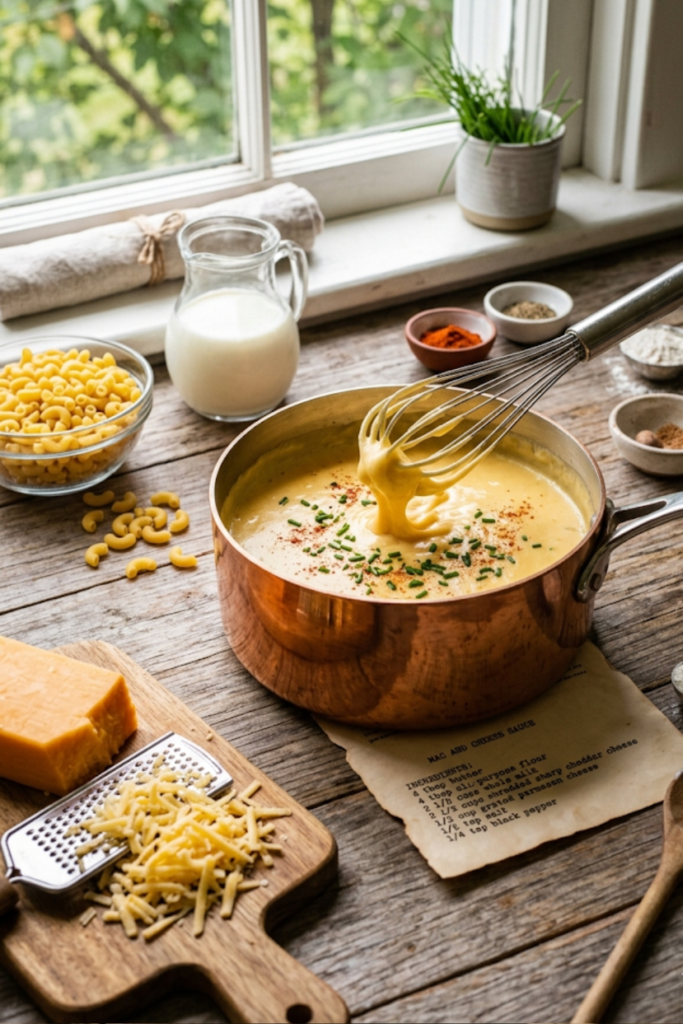
Why This Mac and Cheese Sauce Is So Popular
Smooth and creamy texture
Rich cheese flavor
Easy to make at home
Works for many recipes
No artificial ingredients
A good cheese sauce should melt evenly and stay creamy even after baking.
Equipment
Medium saucepan
Whisk
Wooden spoon or spatula
Measuring cups and spoons
Cheese grater
Small bowl
Ingredients
2 tablespoons butter
2 tablespoons all-purpose flour
2 cups whole milk
2 cups shredded cheddar cheese
½ cup shredded mozzarella cheese
½ cup grated parmesan cheese
½ teaspoon salt
½ teaspoon black pepper
½ teaspoon garlic powder (optional)
½ teaspoon paprika (optional)
1 teaspoon mustard powder (optional for depth)
Timing and Servings
Prep Time: 5 minutes
Cook Time: 10 minutes
Total Time: 15 minutes
Servings: Enough for 12 oz pasta
Calories per serving: ~220 kcal (½ cup)
How to Make Mac and Cheese Sauce
Step 1 – Melt Butter
Place saucepan on medium heat.
Add butter and let it melt completely.
Butter is the base of the sauce and gives rich flavor.
Step 2 – Make the Roux
Add flour to melted butter.
Whisk constantly for about 1–2 minutes.
The mixture should be smooth and slightly bubbly.
This step removes the raw flour taste and thickens the sauce.
Step 3 – Add Milk Slowly
Pour milk slowly while whisking.
Keep stirring to avoid lumps.
Cook for 3–5 minutes until the sauce thickens.
This creates a smooth white sauce called béchamel.
Step 4 – Add Seasoning
Add salt, pepper, garlic powder, paprika, and mustard powder.
Stir well.
Seasoning before cheese helps balance flavor.
Step 5 – Add Cheese
Reduce heat to low.
Add shredded cheese slowly.
Stir until melted before adding more.
Use low heat to prevent grainy texture.
Step 6 – Adjust Consistency
Too thick → add milk
Too thin → cook longer
Too salty → add milk
Too mild → add more cheese
Sauce should be creamy and smooth.
Step 7 – Use the Sauce
Add cooked macaroni to the sauce.
Stir until coated.
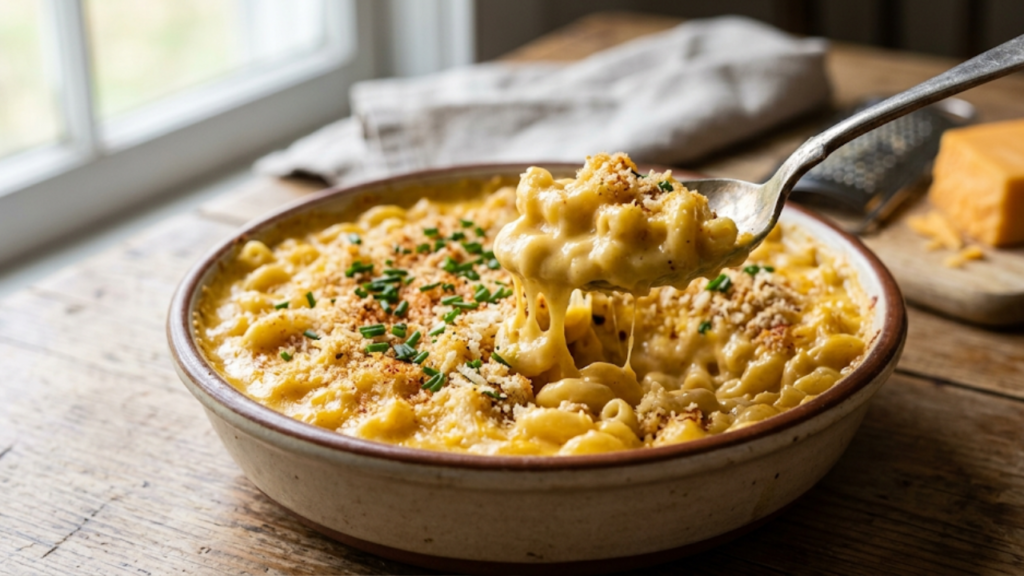
You can serve immediately or bake for baked mac and cheese.
Tips for Best Results
Use freshly grated cheese
Keep heat low after adding cheese
Whisk constantly
Use whole milk for best texture
Do not boil after cheese is added
These tips keep the sauce smooth and creamy.
Best Cheese for Mac and Cheese Sauce
Sharp cheddar – strong flavor
Mild cheddar – smooth taste
Mozzarella – extra creaminess
Parmesan – rich flavor
Colby – melts well
Mixing cheeses gives the best result.
Variations
Extra Creamy Sauce
Add heavy cream.
Spicy Cheese Sauce
Add chili flakes or hot sauce.
Garlic Cheese Sauce
Add roasted garlic.
White Cheese Sauce
Use white cheddar and mozzarella.
Baked Mac and Cheese Sauce
Make sauce thicker before baking.
What to Use Mac and Cheese Sauce For
Macaroni and cheese
Nachos
Broccoli and cheese
Loaded fries
Baked potatoes
Pasta casseroles
Burgers
Sandwiches
This sauce is very versatile.
Storage and Reheating
Refrigerate up to 3 days
Reheat on low heat
Add milk while reheating
Do not boil
Cheese sauce thickens in the fridge, so always loosen with milk.
Common Mistakes to Avoid
Adding cheese on high heat
Using pre-shredded cheese
Not whisking enough
Skipping roux step
Overheating sauce
Avoid these to keep sauce smooth.
Nutritional Facts (Per Serving)
Calories: 220 kcal
Protein: 9 g
Carbohydrates: 8 g
Fat: 16 g
Fiber: 0 g
Sugar: 5 g
Sodium: 420 mg
Cholesterol: 45 mg
Conclusion
A perfect mac and cheese sauce should be creamy, rich, and full of real cheese flavor. Once you learn the simple method of making a roux, adding milk slowly, and melting cheese on low heat, you can make better cheese sauce than any boxed mix. This homemade mac and cheese sauce works for classic macaroni, baked casseroles, vegetables, and many comfort food dishes. With the right ingredients and technique, you will get smooth, delicious results every time.
FAQs
1. Why is my cheese sauce grainy?
Usually because the heat was too high or cheese was added too fast.
2. Can I make cheese sauce without flour?
Yes, use cornstarch or cream cheese instead.
3. What milk is best?
Whole milk gives the creamiest sauce.
4. Can I freeze cheese sauce?
Not recommended because texture may separate.
5. How do I make sauce thicker?
Cook longer or add more cheese.
6. Can I use different cheese?
Yes, cheddar, mozzarella, Colby, and parmesan work well.