
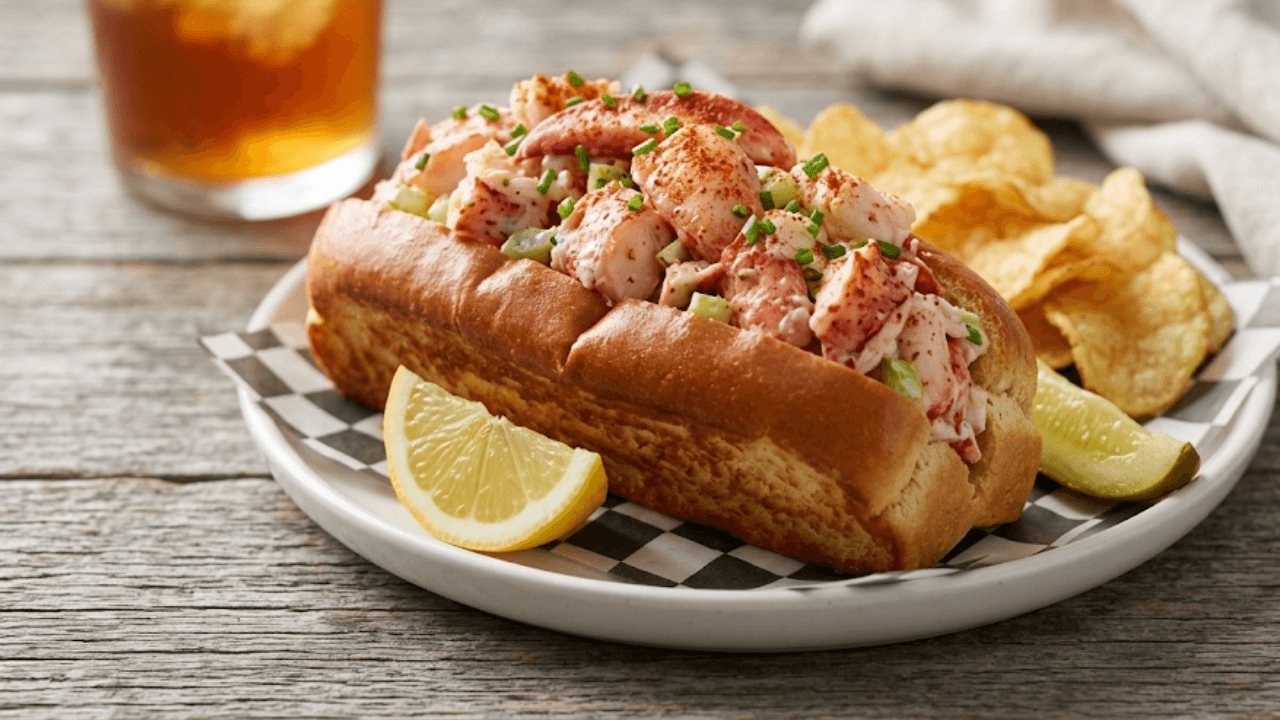
A well-made lobster roll recipe is simple, fresh, and incredibly satisfying. It’s the kind of dish that doesn’t rely on heavy seasoning or complicated techniques—just high-quality ingredients treated with care.
Traditionally associated with coastal regions, especially New England, lobster rolls highlight the natural sweetness of lobster meat. Whether served warm with butter or chilled with a light, creamy dressing, the goal is always the same: let the lobster shine.
This recipe focuses on a balanced, classic version that’s easy to make at home. With tender lobster, lightly toasted buns, and just the right amount of seasoning, you’ll get a restaurant-quality result without overcomplicating the process.
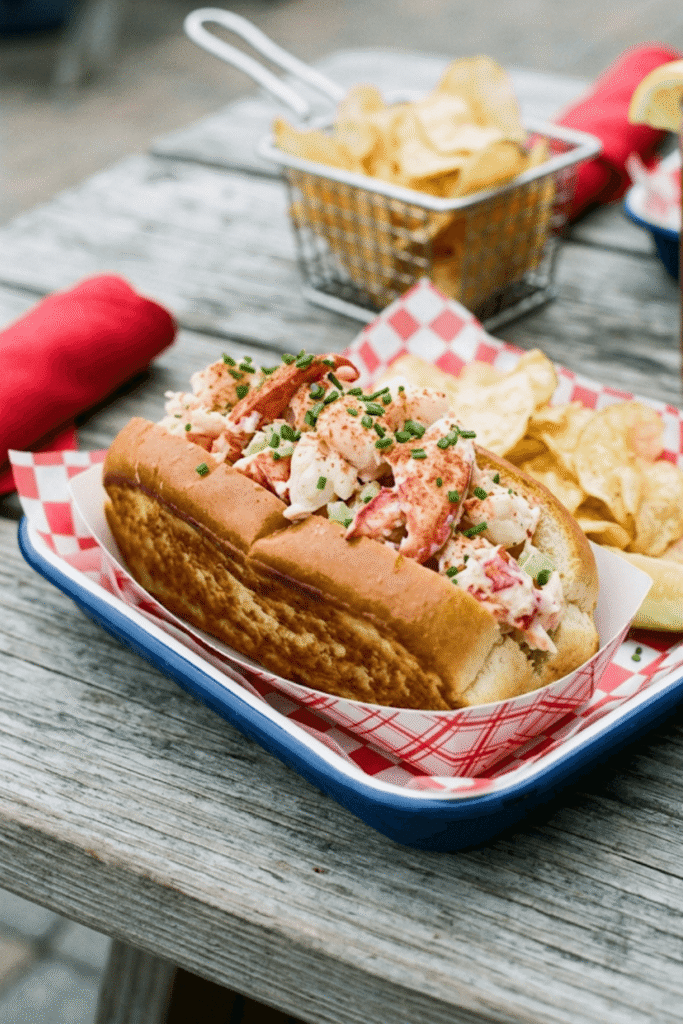
Why This Recipe Is Popular / Why You’ll Love It
Lobster rolls are a timeless favorite for good reason—they’re simple yet luxurious.
Fresh, clean flavors that highlight the lobster
Quick to prepare once ingredients are ready
Perfect balance of richness and lightness
Minimal ingredients, maximum flavor
Great for lunch, dinner, or special occasions
It’s a dish that feels indulgent but remains approachable.
Equipment
Large pot (for boiling lobster, if using fresh)
Mixing bowl
Knife and cutting board
Skillet or pan (for toasting buns)
Tongs or spoon
Measuring spoons
Ingredients
2 cups cooked lobster meat (chopped into chunks)
2–3 tablespoons mayonnaise
1 tablespoon lemon juice
1 tablespoon unsalted butter (for toasting buns)
1 teaspoon Dijon mustard (optional)
1 tablespoon finely chopped celery (optional, for crunch)
1 tablespoon chopped chives or parsley
Salt to taste
Black pepper to taste
4 hot dog buns or split-top rolls
Timing and Servings
Prep Time: 15 minutes
Cook Time: 5 minutes
Total Time: 20 minutes
Servings: 4 rolls
Calories per serving: ~320 kcal
How to Make (Step-by-Step Instructions)
Step 1: Prepare the Lobster
If using freshly cooked lobster, remove the meat from the shell and cut it into bite-sized pieces. Keep the chunks slightly large for better texture.
Step 2: Make the Dressing
In a bowl, combine mayonnaise, lemon juice, Dijon mustard (if using), salt, and pepper. Mix until smooth.
Step 3: Combine Lobster and Dressing
Gently fold the lobster meat into the dressing. Add celery and herbs for extra texture and freshness.
Step 4: Toast the Buns
Heat butter in a skillet over medium heat. Toast the buns until golden and slightly crisp on the outside.
Step 5: Fill the Rolls
Spoon the lobster mixture generously into each toasted bun.
Step 6: Serve Immediately
Serve while the buns are warm and the filling is fresh. Add a squeeze of lemon juice on top if desired.
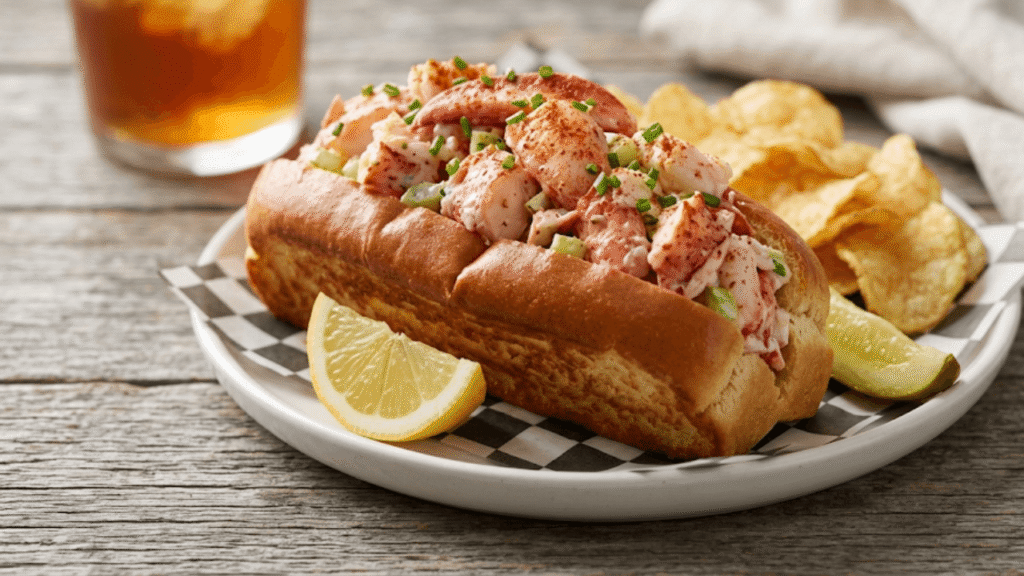
Tips for Best Results
When working with simple recipes like this, small details matter:
Use high-quality lobster – fresh or well-cooked frozen works best
Don’t overdress the lobster – keep the focus on the meat
Keep chunks slightly large – improves texture
Toast buns properly – adds structure and flavor
Serve fresh – lobster rolls taste best immediately
These tips ensure a balanced, restaurant-style result.
Variations
Lobster rolls can be customized depending on your preference:
Warm Buttered Lobster Roll (Connecticut Style)
Skip the mayo and toss lobster in melted butter for a warm, rich version.
Classic Cold Lobster Roll (Maine Style)
Stick with the mayo-based dressing for a chilled, creamy texture.
Spicy Lobster Roll
Add a dash of hot sauce or chili flakes for a bit of heat.
Light Version
Use Greek yogurt instead of mayonnaise for a lighter option.
What to Serve With It
Lobster rolls pair best with simple, fresh sides:
Potato chips or fries
Coleslaw
Pickles
Corn on the cob
Light green salad
These sides complement the richness without overpowering the dish.
Storage and Reheating
Store lobster filling in an airtight container in the refrigerator for up to 2 days
Keep buns separate to avoid sogginess
Do not freeze prepared lobster rolls
Serve chilled or at room temperature; avoid reheating the mayo-based version
Common Mistakes to Avoid
Using too much mayonnaise – masks the lobster flavor
Overcooking lobster – makes it tough
Skipping bun toasting – results in a soft, soggy roll
Cutting lobster too small – reduces texture
Over-seasoning – keep flavors simple and clean
A light touch is what makes this dish truly shine.
Nutritional Facts (Per Serving)
Calories: 320 kcal
Protein: 20 g
Carbs: 22 g
Fat: 16 g
Fiber: 1 g
Sugar: 3 g
Sodium: 480 mg
Cholesterol: 85 mg
Conclusion
A classic lobster roll is all about simplicity done right. With tender lobster, lightly toasted buns, and just enough seasoning to enhance the natural flavor, it’s a dish that feels both elegant and effortless.
This recipe keeps things straightforward while giving you the flexibility to adjust it to your taste—whether you prefer it buttery, creamy, or slightly spicy. Once you master the basics, it becomes a go-to recipe for warm-weather meals or special occasions.
Serve it fresh, keep the flavors balanced, and enjoy a dish that celebrates quality ingredients at their best.
FAQs
1. What’s the difference between Maine and Connecticut lobster rolls?
Maine style is cold with mayo, while Connecticut style is warm with butter.
2. Can I use frozen lobster meat?
Yes, just make sure it’s properly thawed and not overcooked.
3. What type of bread is best?
Split-top hot dog buns are traditional and hold the filling well.
4. Can I make lobster rolls ahead of time?
You can prepare the filling in advance, but assemble just before serving.
5. How do I keep the rolls from getting soggy?
Toast the buns and add filling right before serving.