
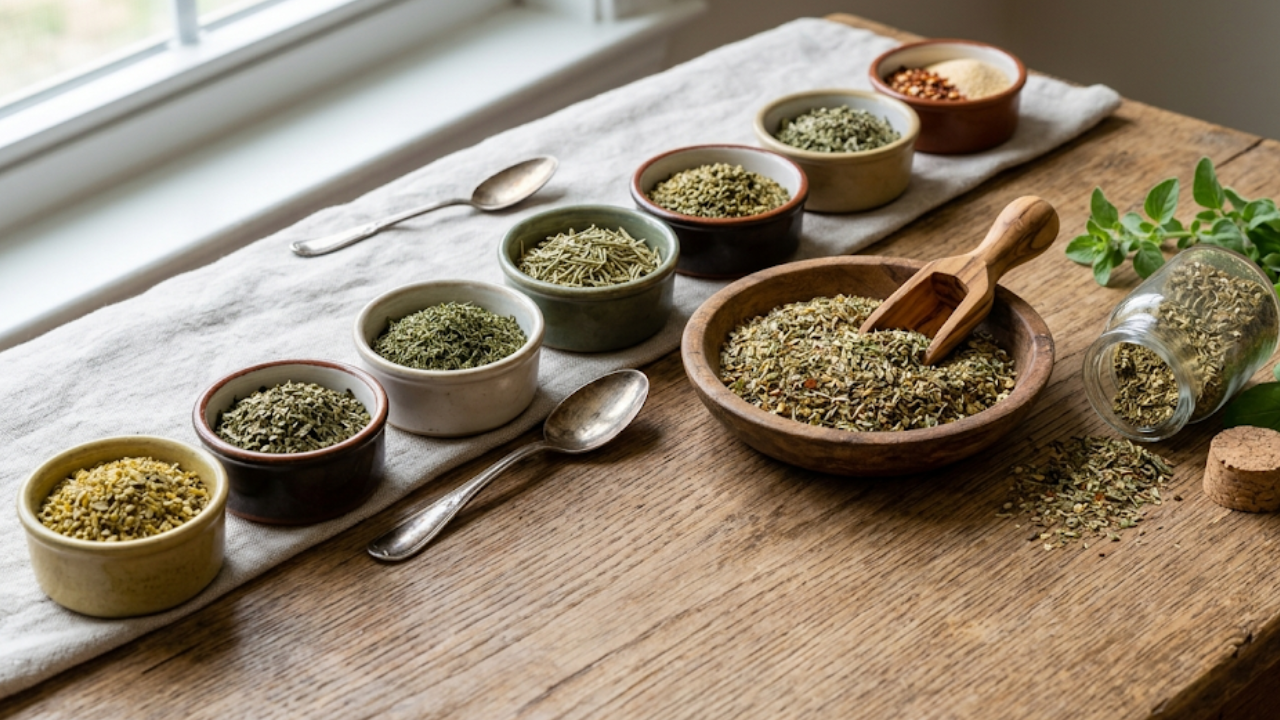
A good Italian seasoning blend is one of those quiet kitchen essentials that instantly upgrades everyday cooking. Whether you’re making pasta, roasting vegetables, or seasoning chicken, this simple herb mix brings warmth, depth, and classic Mediterranean flavor to your dishes.
What makes a homemade version special is control. You decide the balance, freshness, and intensity. After years of cooking, I’ve found that a well-balanced Italian seasoning can turn even basic recipes into something memorable—without relying on heavy sauces or complicated techniques.
This guide walks you through a reliable, flavorful blend along with expert tips to customize it perfectly for your kitchen.
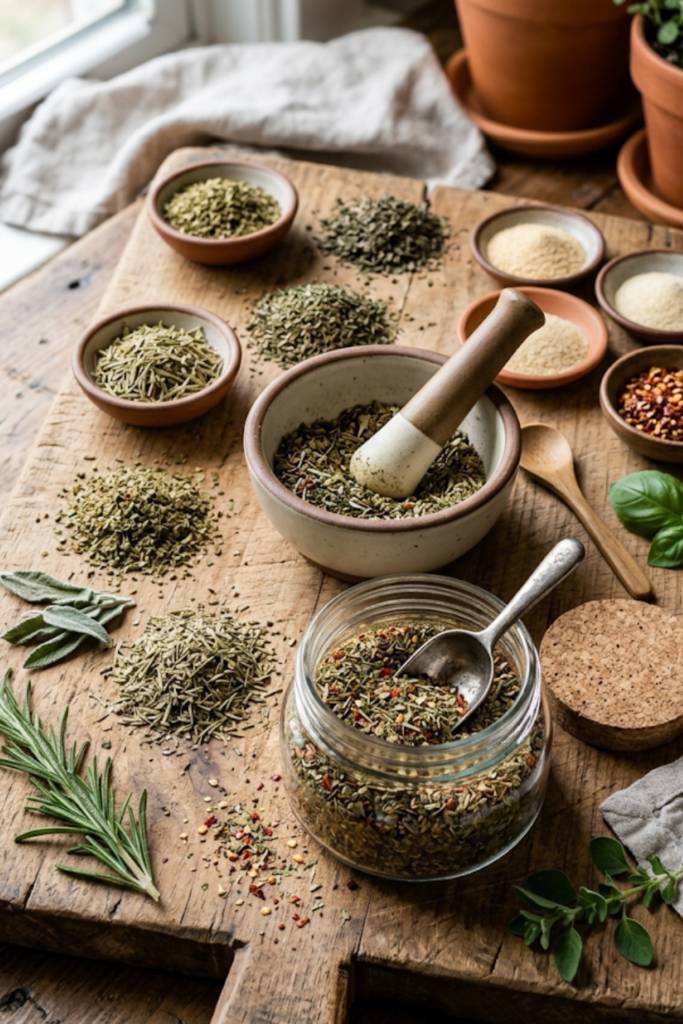
Why This Recipe Is Popular / Why You’ll Love It
Fresh and aromatic – Far more vibrant than store-bought blends
Budget-friendly – Uses pantry staples you likely already have
Customizable – Adjust flavors to suit your taste
Versatile – Works across pasta, meats, sauces, and vegetables
Quick to make – Ready in under 5 minutes
Equipment
Measuring spoons
Small mixing bowl
Airtight spice jar or container
Spoon or whisk for mixing
Ingredients
1 tablespoon dried basil
1 tablespoon dried oregano
1 tablespoon dried parsley
1 teaspoon dried thyme
1 teaspoon dried rosemary (crushed)
1 teaspoon dried marjoram
½ teaspoon garlic powder (optional)
½ teaspoon onion powder (optional)
¼ teaspoon red pepper flakes (optional, for heat)
Timing and Servings
Prep Time: 5 minutes
Cook Time: 0 minutes
Total Time: 5 minutes
Servings: About 6 tablespoons seasoning
Calories per serving: ~5 calories (per teaspoon)
How to Make (Step-by-Step Instructions)
Step 1: Measure Your Herbs
Carefully measure all the dried herbs using standard measuring spoons for consistency.
Step 2: Crush Larger Herbs
Lightly crush rosemary and oregano between your fingers or using a mortar and pestle. This releases essential oils and improves flavor.
Step 3: Combine Ingredients
Add all herbs and optional spices into a small mixing bowl.
Step 4: Mix Thoroughly
Stir well until evenly combined. Make sure no ingredient clumps together.
Step 5: Taste and Adjust
Smell and taste a small pinch. Adjust saltiness (if adding salt separately), spice level, or herb balance.
Step 6: Store Properly
Transfer the seasoning into an airtight container and store in a cool, dry place.
Tips for Best Results
Use fresh dried herbs: Old spices lose potency quickly
Crush before mixing: This enhances aroma and flavor release
Skip salt: Keep the blend salt-free so you can control seasoning per recipe
Store away from heat: Heat and sunlight reduce shelf life
Make small batches: Best flavor comes from fresh blends
Variations
1. Spicy Italian Seasoning
Add extra red pepper flakes or a pinch of cayenne for a bold kick.
2. Garlic-Heavy Blend
Increase garlic powder for a stronger savory flavor—perfect for roasted dishes.
3. Lemon Herb Version
Add a bit of dried lemon zest for brightness, great with seafood.
4. Low-Sodium Blend
Keep it completely salt-free for heart-healthy cooking.
5. Herb-Forward Blend
Double basil and parsley for a fresher, greener taste.
What to Serve With It
This seasoning works across a wide range of dishes:
Pasta sauces and marinara
Grilled or roasted chicken
Garlic bread or butter spreads
Roasted vegetables like potatoes, zucchini, or carrots
Pizza toppings or dough seasoning
Soups and stews
A quick sprinkle can instantly elevate even simple dishes like scrambled eggs or sautéed vegetables.
Storage and Reheating
Storage
Store in an airtight container
Keep in a cool, dry pantry
Best used within 3–6 months for maximum flavor
Reheating
Not applicable directly, but add seasoning toward the end of cooking to preserve aroma
For roasted dishes, mix with oil before cooking for even distribution
Common Mistakes to Avoid
Using stale herbs: Results in dull, flat flavor
Overusing rosemary: It can overpower the blend if not balanced
Adding salt too early: Limits flexibility in recipes
Not crushing herbs: Leaves flavor locked inside
Making large batches: Flavor fades over time
Nutritional Facts (Per Serving)
Calories: 5
Protein: 0.2g
Carbs: 1g
Fat: 0g
Fiber: 0.5g
Sugar: 0g
Sodium: 1mg (without added salt)
Cholesterol: 0mg
Conclusion
A homemade Italian seasoning blend is one of the easiest ways to upgrade your cooking without extra effort. It’s simple, cost-effective, and far more flavorful than anything pre-packaged.
Once you start using your own blend, you’ll notice the difference immediately—dishes taste fresher, more balanced, and distinctly homemade. Keep a jar ready in your kitchen, and you’ll always have a reliable flavor boost at your fingertips.
FAQs
1. How long does homemade Italian seasoning last?
It stays fresh for about 3–6 months when stored properly in an airtight container.
2. Can I use fresh herbs instead of dried?
Yes, but fresh herbs are better for immediate use. This blend is designed for dried herbs with a longer shelf life.
3. Is Italian seasoning the same as herbs de Provence?
No. Herbs de Provence often include lavender and have a more floral profile, while Italian seasoning is more savory.
4. Can I add salt to this mix?
You can, but it’s better to keep it salt-free so you can control seasoning in each recipe.
5. What dishes benefit most from Italian seasoning?
Pasta, roasted vegetables, grilled meats, and sauces all benefit greatly from this blend.
6. Can I grind the mixture into a powder?
Yes. Grinding creates a finer texture and stronger flavor release, especially useful for marinades.