
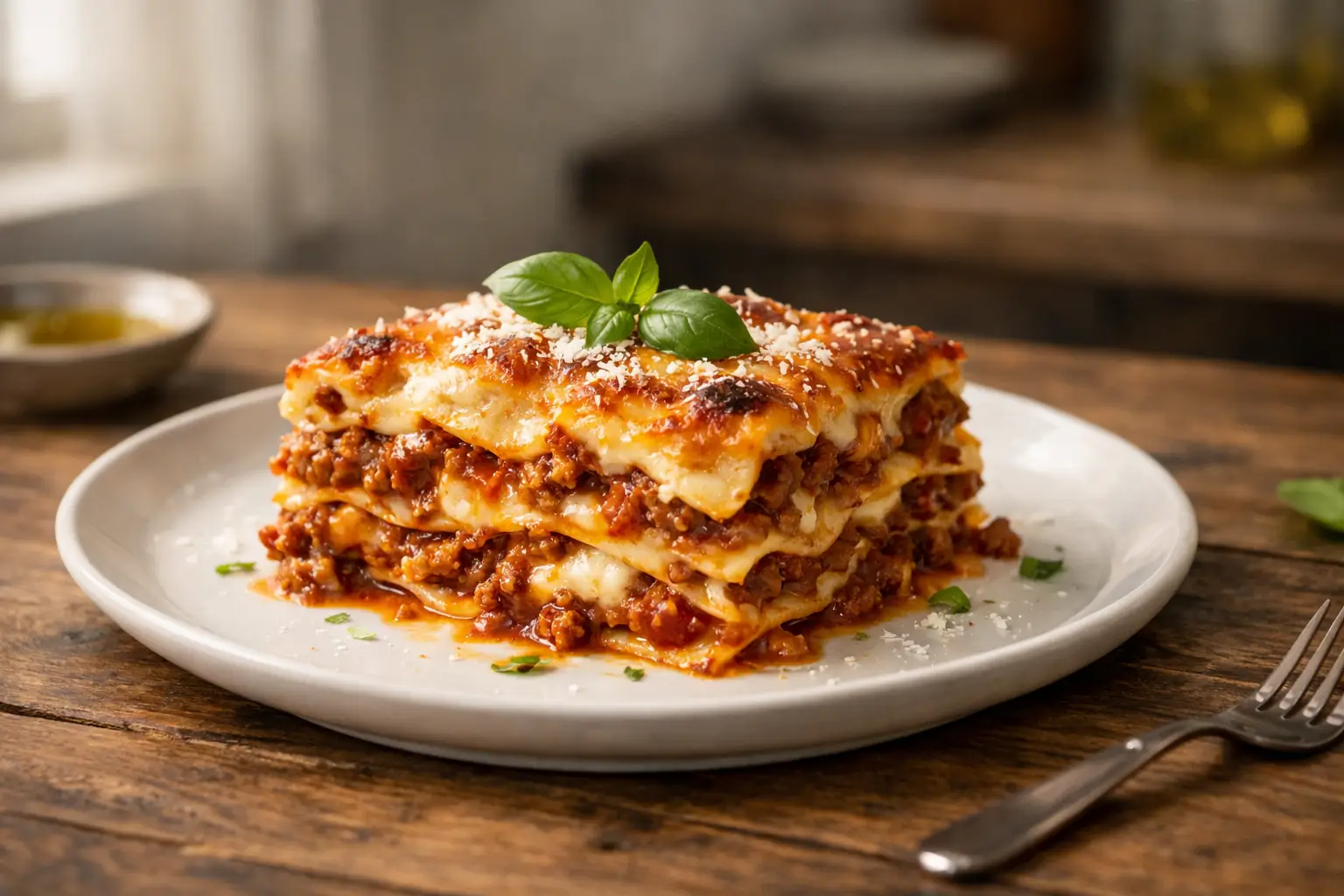
Lasagna Pasta Recipe is what I make when I want all the rich, cozy flavor of classic lasagna without committing to layering, baking, and waiting. It brings together the same comforting elements people love in traditional lasagna—savory meat sauce, tender pasta, creamy cheese, and Italian herbs—but in a simpler, more practical format. The result is hearty, satisfying, and much easier to pull off on a busy day.
This recipe is especially useful when you are craving comfort food but do not want a complicated dinner. Instead of building a layered casserole, you cook everything in a more streamlined way and still get that familiar lasagna-style flavor in every bite. It is a great family meal, a reliable option for casual guests, and one of those recipes that usually disappears fast from the table.
The best part is that lasagna pasta feels generous and homemade without demanding too much time. It has the bold tomato-and-meat base, the creamy cheese finish, and the tender pasta texture that make lasagna so loved, but it fits much better into real-life cooking.
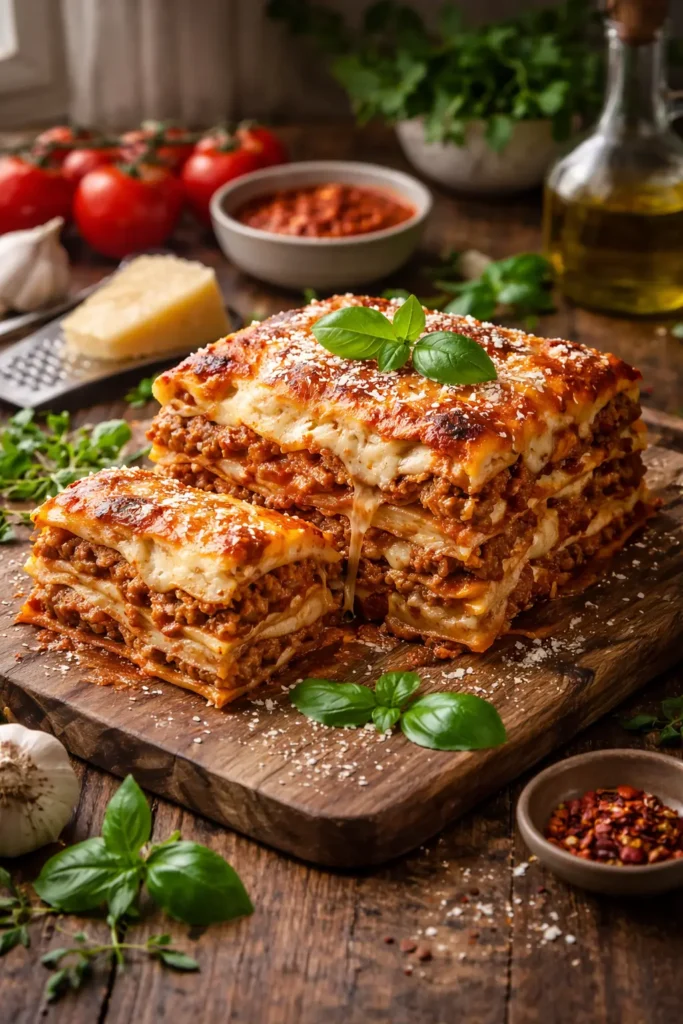
Why You’ll Love This Lasagna Pasta
There are plenty of pasta dinners that are easy, but this one stands out because it delivers classic comfort in a more approachable way.
Tastes like lasagna without the extra work
Rich, hearty, and family-friendly
Easier and faster than traditional layered lasagna
Great for weeknight dinners or meal prep
Uses familiar ingredients
Easy to customize with different cheeses or proteins
Equipment
Large pot or deep skillet
Large spoon or spatula
Knife
Cutting board
Measuring cups and spoons
Colander, if boiling pasta separately
Cheese grater
Ingredients
12 ounces lasagna noodles, broken into pieces, or another pasta shape
1 pound ground beef or Italian sausage
1 tablespoon olive oil, if needed
1 small onion, finely chopped
4 garlic cloves, minced
1 teaspoon Italian seasoning
1/2 teaspoon dried oregano
1/2 teaspoon black pepper
1/4 teaspoon red pepper flakes, optional
3 cups marinara sauce
1 cup water or beef broth
1 cup ricotta cheese
1 1/2 cups shredded mozzarella cheese
1/2 cup grated Parmesan cheese
2 tablespoons chopped parsley or basil
Salt, to taste
Timing and Servings
Prep Time: 10 minutes
Cook Time: 30 minutes
Total Time: 40 minutes
Servings: 5 to 6
How to Make Lasagna Pasta
1. Brown the Meat
Heat a large deep skillet or pot over medium heat. Add the ground beef or Italian sausage and cook until browned, breaking it up with a spoon as it cooks. If the meat is very lean, add a little olive oil. If there is too much grease in the pan, carefully drain off the excess.
This first step builds the base flavor of the entire dish, so let the meat brown well instead of rushing it.
2. Cook the Onion and Garlic
Add the chopped onion to the browned meat and cook for 3 to 4 minutes until softened. Stir in the garlic, Italian seasoning, oregano, black pepper, and red pepper flakes if using. Cook for about 30 seconds until fragrant.
The onion adds sweetness, while the herbs give the sauce that classic lasagna-style taste.
3. Add the Sauce and Liquid
Pour in the marinara sauce and the water or broth. Stir everything together and bring it to a gentle simmer.
The extra liquid helps cook the pasta and keeps the finished dish from becoming too thick too quickly.
4. Cook the Pasta
If you are using broken lasagna noodles, add them directly to the simmering sauce. Stir well so the noodles are coated and mostly submerged. Cover and cook for about 15 to 18 minutes, stirring occasionally, until the pasta is tender.
If you are using another pasta shape and prefer to cook it separately, boil it in salted water until al dente, then drain and stir it into the sauce.
Cooking the pasta right in the sauce gives the dish a deeper, more cohesive flavor.
5. Add the Ricotta
Once the pasta is tender, reduce the heat to low. Add spoonfuls of ricotta cheese across the top and stir gently. Do not overmix. You want creamy pockets throughout the pasta, much like the cheese layers in traditional lasagna.
This step is what really gives the dish its lasagna character.
6. Stir in the Mozzarella and Parmesan
Add most of the mozzarella and Parmesan, stirring until melted and combined. Save a little mozzarella for the top if you want a cheesier finish.
The sauce should now look rich, cheesy, and slightly thickened.
7. Finish and Rest Briefly
Sprinkle the remaining mozzarella over the top, cover the pan for 2 to 3 minutes, and let it melt. Garnish with chopped parsley or basil before serving.
Letting the pasta rest for a couple of minutes helps the sauce settle and cling to the noodles better.
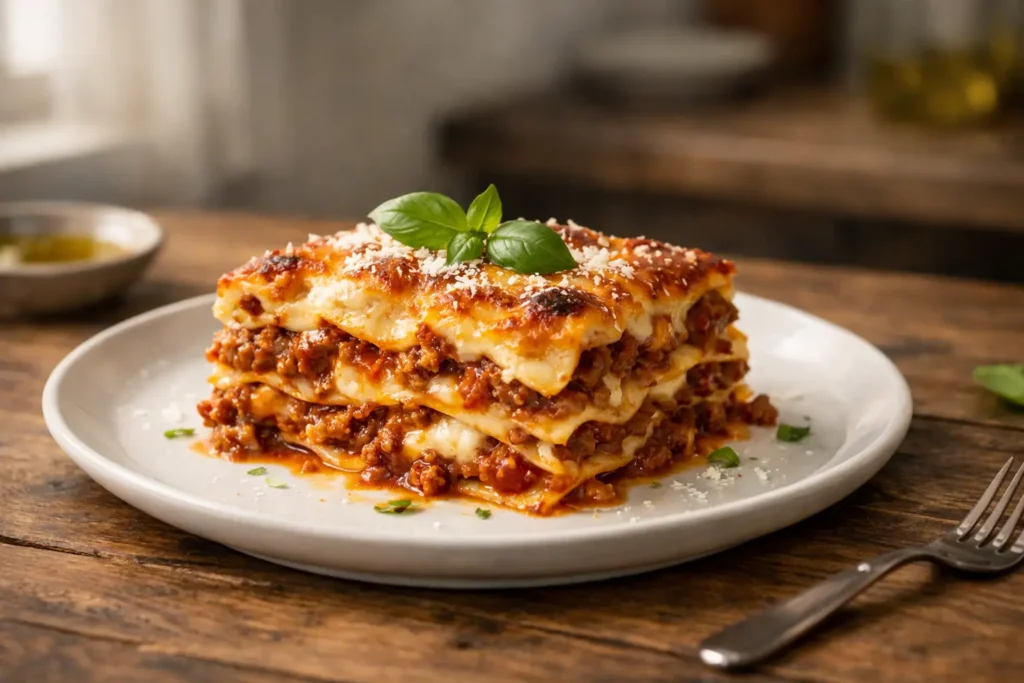
Tips for the Best Lasagna Pasta
Use a Good Marinara Sauce
Since the sauce is one of the main flavor components, choose a marinara you genuinely like. A balanced sauce with good tomato flavor makes a big difference.
Do Not Overcook the Pasta
Lasagna pasta should feel tender but not mushy. Stir occasionally and keep an eye on the liquid level as the pasta cooks.
Use Whole-Milk Ricotta for Better Texture
Whole-milk ricotta tends to be creamier and richer than part-skim versions. It gives the finished dish a better lasagna-like feel.
Fresh Parmesan Helps the Flavor
Freshly grated Parmesan melts better and adds a deeper savory finish than pre-packaged grated cheese.
Let the Cheese Stay Distinct
Do not stir the ricotta in too aggressively. A few creamy pockets make the dish taste more like lasagna and less like a standard red sauce pasta.
Easy Variations
Lasagna pasta is easy to adapt depending on what you enjoy or what you already have at home.
Use Italian Sausage
Italian sausage adds more seasoning and a deeper, richer flavor than plain ground beef. It is an excellent option if you want a bolder dish.
Add Spinach
Stir in a few handfuls of fresh spinach at the end. It wilts quickly and adds color and balance.
Make It Meatless
Skip the meat and use sautéed mushrooms, zucchini, or lentils for a vegetarian version that still feels hearty.
Add Extra Cheese
If your family loves cheesy pasta, add a little extra mozzarella on top and let it melt before serving.
Use Oven-Safe Skillet Finish
For a more traditional lasagna-style finish, place the skillet under the broiler for 2 to 3 minutes after topping with mozzarella. Watch it closely.
What to Serve with Lasagna Pasta
Because this dish is rich and hearty, lighter sides work best.
Garlic bread
Caesar salad
Roasted broccoli
Green beans
Sautéed zucchini
Mixed greens with vinaigrette
If I am serving this for dinner, I usually pair it with a crisp salad or a simple green vegetable. That keeps the meal balanced and stops it from feeling too heavy.
Serving Suggestions
Lasagna pasta is best served hot, while the cheese is still soft and the sauce is creamy.
A few serving ideas that work especially well are:
Lasagna pasta with garlic bread and Caesar salad
Lasagna pasta with roasted broccoli
Lasagna pasta for family-style weeknight dinners
Lasagna pasta served in big bowls with extra Parmesan on top
Nutritional Facts
Approximate per serving, depending on ingredients and portion size:
Calories: 560 to 710
Protein: 28 to 35 grams
Fat: 24 to 34 grams
Carbohydrates: 45 to 55 grams
Fiber: 3 to 5 grams
Sodium: Varies based on marinara sauce and cheese used
How to Store and Reheat
This is a great leftover recipe because the flavors settle in nicely.
Refrigerate
Store cooled lasagna pasta in an airtight container in the refrigerator for up to 3 days.
Reheat
Warm it on the stove over low heat or in the microwave in short intervals. Add a splash of water or sauce if it looks too thick.
Freeze
You can freeze it in portions for up to 2 months. Thaw in the refrigerator before reheating for the best texture.
Conclusion
Lasagna pasta is one of the easiest ways to get all the comfort of classic lasagna without taking on the full project of making one from scratch. It has the same rich meat sauce, creamy cheese, tender pasta, and cozy flavor, but in a format that fits better into everyday cooking.
It is hearty, flexible, and especially useful when you want a dinner that feels homemade and generous without spending hours in the kitchen. Once you try it, there is a good chance it will become one of those repeat meals you keep coming back to.
FAQs
1. What is lasagna pasta?
Lasagna pasta is a simplified pasta dish inspired by traditional lasagna flavors, usually made with meat sauce, cheese, and pasta cooked in an easier format.
2. Can I use regular pasta instead of lasagna noodles?
Yes. Rigatoni, mafalda, penne, or bow ties can work well if you do not have lasagna noodles.
3. Can I make lasagna pasta ahead of time?
Yes. You can make it ahead and reheat it later. It stores well and often tastes even better the next day.
4. What cheese works best in lasagna pasta?
Ricotta, mozzarella, and Parmesan are the classic combination because they create the familiar lasagna flavor and texture.
5. Can I make this recipe vegetarian?
Yes. Replace the meat with mushrooms, spinach, zucchini, or lentils for a hearty vegetarian version.
6. Why is my lasagna pasta too thick?
Pasta keeps absorbing sauce as it sits. Add a splash of water, broth, or marinara when reheating or serving.